Your dock takes on a lot in Southwest Florida. Sun, salt exposure, changing tides, heavy rain, and major storms can gradually wear on decking, hardware, pilings, and structural connections.
The good news is that regular attention can help you catch small issues before they become larger repairs. These dock maintenance tips will help you understand what to look for and when it is time to bring in a professional.
7 Dock Maintenance Tips to Keep Your Dock in Good Condition
1. Inspect Your Dock Regularly
A quick visual inspection can tell you a lot about how your dock is holding up. This is one of the best dock maintenance steps. Walk the dock carefully and look for anything that seems different from the last time you checked it.
Pay attention to all of the details including loose boards, visible cracks, shifting sections, damaged railings, rusting hardware. You do not need to diagnose the problem yourself. The goal is simply to notice changes early.
For waterfront homeowners, regular inspections are especially useful because marine conditions can gradually affect materials even when the damage is not immediately obvious.
Especially for waterfront homeowners, regular inspections could help a lot, as the materials can still be affected by the marine condition gradually without any clear signs of damage.
2. Keep the Deck Surface Clean
Leaves, dirt, algae, and other organic buildup can collect between decking boards and around structural connections. Over time, that buildup can hold moisture against the surface. This results in the dock decaying beneath the buildup.
You should clear away debris regularly and use the appropriate methods. If your dock uses treated wood or composite decking, follow the material manufacturer’s cleaning recommendations rather than using an aggressive product that could cause damage.
Keeping the surface clean also makes it easier to spot cracks, loose boards, discoloration, or other changes during your next inspection.
3. Check Fasteners and Hardware for Corrosion
Fasteners and hardware are small components, but they play an important role in keeping your dock secure. In a coastal environment, salt and moisture can accelerate corrosion and affect exposed hardware.
Look for visible rust, discoloration, loose screws or bolts, and connections that no longer sit securely. Do not assume that tightening one loose fastener solves the underlying problem.
Recurring loose hardware can point to movement, wear, or deterioration elsewhere in the structure. That is a good reason to have the dock assessed rather than repeatedly making the same small adjustment.
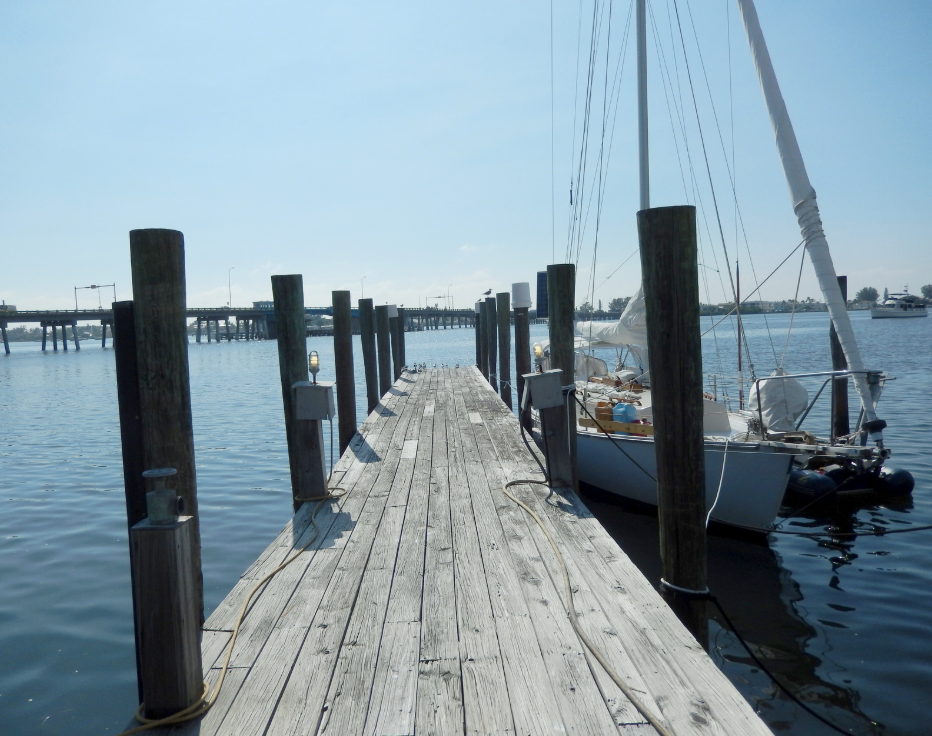
4. Look Closely at Pilings
A piling is the vertical support post that helps carry the dock structure. Because pilings extend into the water and seabed, much of their condition is not always easy to evaluate from the dock surface.
Look for visible movement, damage, unusual leaning, deterioration, or changes around the waterline. Storms, boat impacts, changing water conditions, and long-term exposure can all affect the support system.
If a piling appears unstable or the dock has started to move differently underfoot, stop and call a professional, like Triton Dock and Pier.
5. Check Decking for Wear or Damage
Decking naturally sees plenty of use. Birds leave droppings on it, people walk across it, and the surface is exposed to Florida’s sun and moisture throughout the year.
Look for cracked, splintered, soft, warped, or loose boards. Also check areas around stairs, railings, cleats, and other frequently used sections.
Not every damaged board means the entire dock needs to be replaced. If the underlying frame and support system remain sound, targeted decking work may be enough to restore the surface and extend the useful life of the structure.
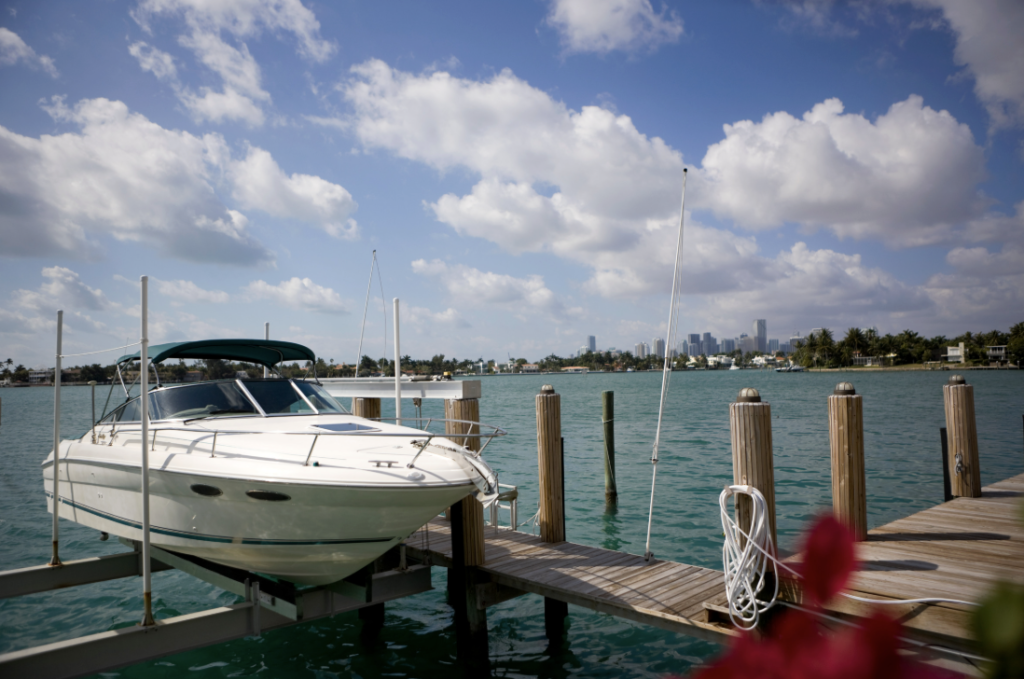
6. Inspect Your Dock After Major Storms
A storm can change the condition of a dock quickly. High winds, waves, storm surge, floating debris, and boat movement can place stress on decking, pilings, connections, and accessories.
After a major hurricane or tropical storm, look for shifting, damaged boards, displaced components, loose hardware, and visible changes around the support structure. Do not assume that a dock is fine simply because the damage is not obvious from a distance.
Florida’s Department of Environmental Protection maintains post-storm guidance for waterfront structures, including docks, boat lifts, and bulkheads.
7. Address Small Problems Before They Spread
One of the most useful dock maintenance tips is simple: do not ignore minor changes.
A loose board can become more damaged with continued use. Corroded hardware can affect a connection. A small area of deterioration can become more extensive when exposed to water, weather, and daily use.
Early attention does not always mean a major project. Sometimes the right solution is a targeted repair or replacement of a worn component. The important part is understanding what is actually causing the problem before deciding what work is needed.
What Can You Maintain Yourself, and When Does Your Dock Need Repair?
Routine maintenance is something many homeowners can handle themselves. The key is knowing where basic upkeep ends and structural evaluation begins.
Maintenance You Can Handle Yourself
You can generally make routine visual checks part of your normal waterfront care. This includes:
- Inspecting decking for obvious wear or damage
- Light surface cleaning
- Clearing leaves, branches, and other debris
- Looking for obvious loose boards or hardware
- Checking railings and easily visible accessories
The goal is not to become a dock contractor. It is to understand what your dock normally looks and feels like so you can recognize when something changes.
Signs It May Be Time for Professional Dock Repair
Some issues deserve more than a quick adjustment. Watch for:
- Movement in pilings or support posts
- Sagging or shifting dock sections
- Extensive decking damage
- Deteriorated structural connections
- Hardware that repeatedly becomes loose
- Damage caused by a storm or impact
- Any condition that affects safe use
At Triton Dock & Pier, our Repairs service focuses on targeted dock, Boat Lift, and Seawall repairs that restore structural integrity, safety, and long-term performance. Our team evaluates what the property actually needs rather than assuming every problem calls for a complete replacement.
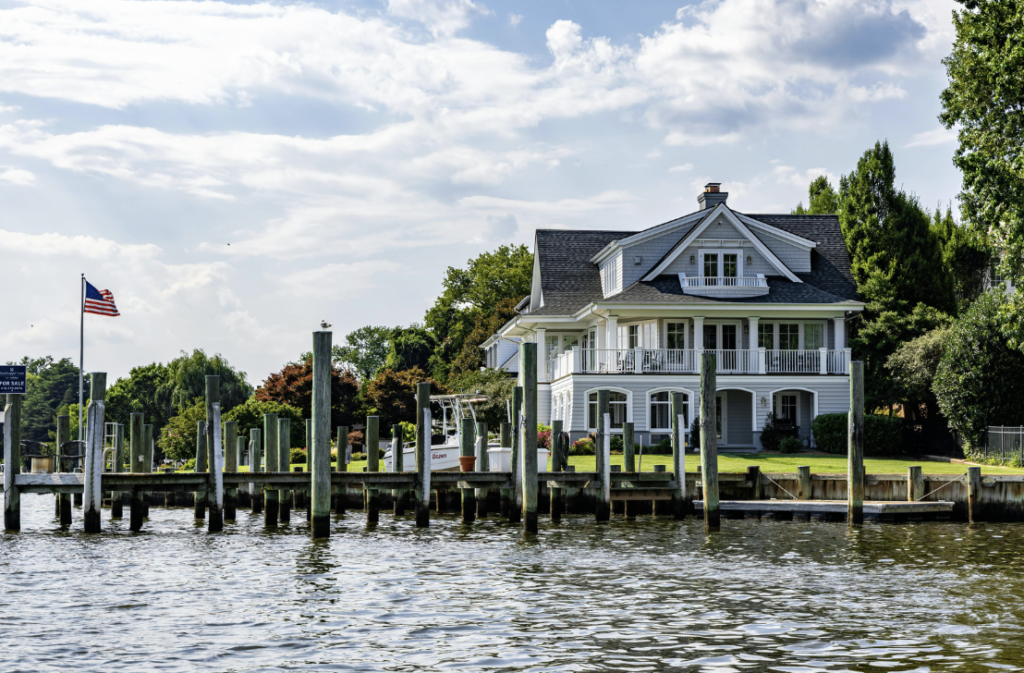
A Simple Dock Maintenance Checklist
For an easy routine, keep this checklist nearby:
- Inspect decking
- Check fasteners and connections
- Look for corrosion
- Examine pilings
- Remove debris and organic buildup
- Check railings and accessories
- Reinspect after major storms
- Schedule a professional assessment when structural changes appear
The more familiar you become with your dock, the easier it is to recognize when something does not look right.
Keep Your Dock Ready for Everyday Waterfront Living
Your dock should support the way you enjoy your waterfront property, from everyday access to boating and time on the water. Knowing dock maintenance tips helps you stay ahead of visible wear while giving you a better understanding of when professional attention is needed.
At Triton Dock & Pier, we bring over 50 years of combined marine and general construction experience to waterfront projects across Southwest Florida. Every property is different, so our approach starts with understanding the structure, the water conditions, and what you actually need.
Talk to Our Team or Get a Free Estimate. Call 941-258-2528.
FAQs
How often should I inspect my dock?
Inspect your dock regularly and any time after a major storm or impact. The right frequency depends on its age, materials, exposure, and usage.
What is the most important part of dock maintenance?
Structural integrity comes first. Pay close attention to pilings, framing, fasteners, and other structural connections, not just the decking.
How do I know if my dock needs repair?
Movement, sagging, damaged decking, deteriorated connections, recurring loose hardware, or storm damage can signal a need for professional repairs. Contact Triton Dock & Pier at 941-258-2528 to schedule a Repair Assessment.
Should I inspect my dock after a hurricane or tropical storm?
Yes. Check for shifting, damaged decking, loose connections, piling movement, or other visible changes. Have the dock professionally assessed if you notice structural issues or anything affecting safe use.