What is the best wood for docks? For most waterfront homeowners, pressure-treated pine delivers the strongest balance of cost and performance, while Western red cedar, cypress, and exotic hardwoods like Ipe offer longer lifespans with less upkeep.
Wood remains popular for its natural appearance, structural strength, and versatility, but not every species handles saltwater and constant moisture the same way. Knowing which options hold up in marine conditions protects your investment and prevents premature repairs.
This guide compares the top wood choices so you can decide with confidence.
Common Types of Wood for Residential Docks
Choosing the best wood for docks starts with comparing how each species handles water, sun, and salt. Here’s how the most common residential dock woods stack up on lifespan, upkeep, and cost.
| Wood Type | Expected Lifespan | Maintenance Level | Material Cost |
| Pressure-Treated Pine | 10–20 years | High | $3–$5 per sq ft |
| Western Red Cedar | 15–25+ years | Moderate | $5–$10 per sq ft |
| Garapa | 25+ years | Low–moderate | $6–$10 per sq ft |
| Cumaru | 25–50 years | Low | $8–$14 per sq ft |
| Ipe | 50+ years | Low | $15–$25+ per sq ft |
| Cypress | 15–25+ years | Moderate | $4–$8 per linear ft |
| Redwood | 15–25 years | Moderate | $15–$40+ per sq ft |
Pressure-Treated Pine
Pressure-treated pine is the budget workhorse of dock construction: standard softwood lumber injected with chemical preservatives that fight rot, decay, and insects in wet, outdoor settings.
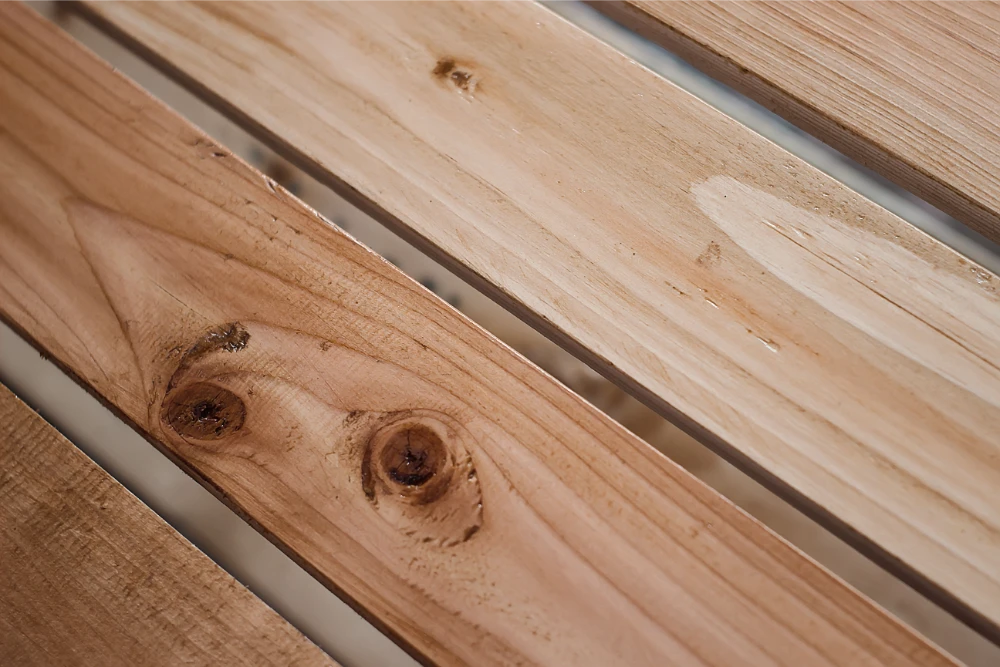
- Durability: Expect 10 to 20 years of service depending on water exposure and care. Freshly treated pine resists decay and termites well, but it shrinks, swells, and twists as it cycles between wet and dry conditions.
- Maintenance: Wash the boards yearly to clear mold and mildew, apply a water-repellent sealer or stain every one to two years, and check hardware often for rusting nails or loose screws.
At roughly $3 to $5 per square foot for boards, pine is the best wood for docks.
Western Red Cedar
Western red cedar is a premium softwood that performs beautifully for dock decking above the waterline. Its natural oils, called thujaplicins, provide built-in resistance to weather and decay. Its density and tannins also keep the boards stable against fungi and moisture. With reasonable care, cedar lasts 15 to 25+ years.
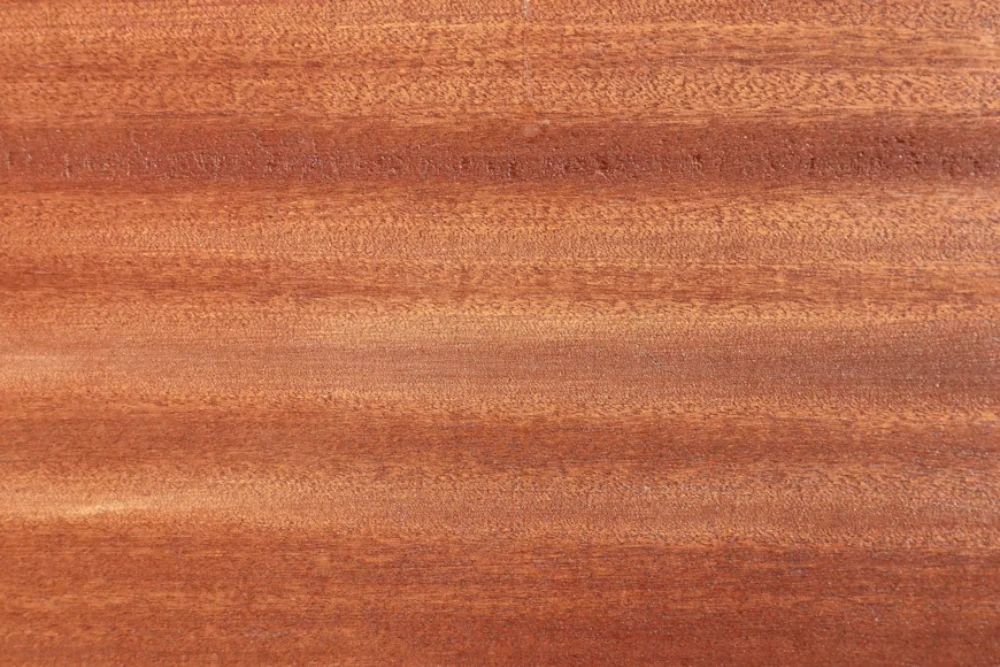
- Sealing and staining: Apply a clear UV-blocking sealer or semi-transparent oil stain every two to three years to preserve the wood’s rich, reddish-brown color.
- Weathering: Left untreated, cedar fades gracefully to a classic silver-gray patina. Some owners prefer that look, and the wood stays sound either way.
- Cleaning: Wash gently once a year to remove algae, mold, and dirt. Skip the pressure washer; it tears up cedar’s soft grain.
Expect premium pricing between $5 and $10 per square foot, about 40% to 80% more than pressure-treated pine.
Exotic Hardwoods (Ipe, Cumaru, Garapa)
Exotic hardwoods, Ipe, Cumaru, and Garapa, are dense tropical timbers naturally resistant to water, rot, and insects, with lifespans measured in decades rather than years. If you want a dock that outlives your mortgage, this is one of the best wood for docks.
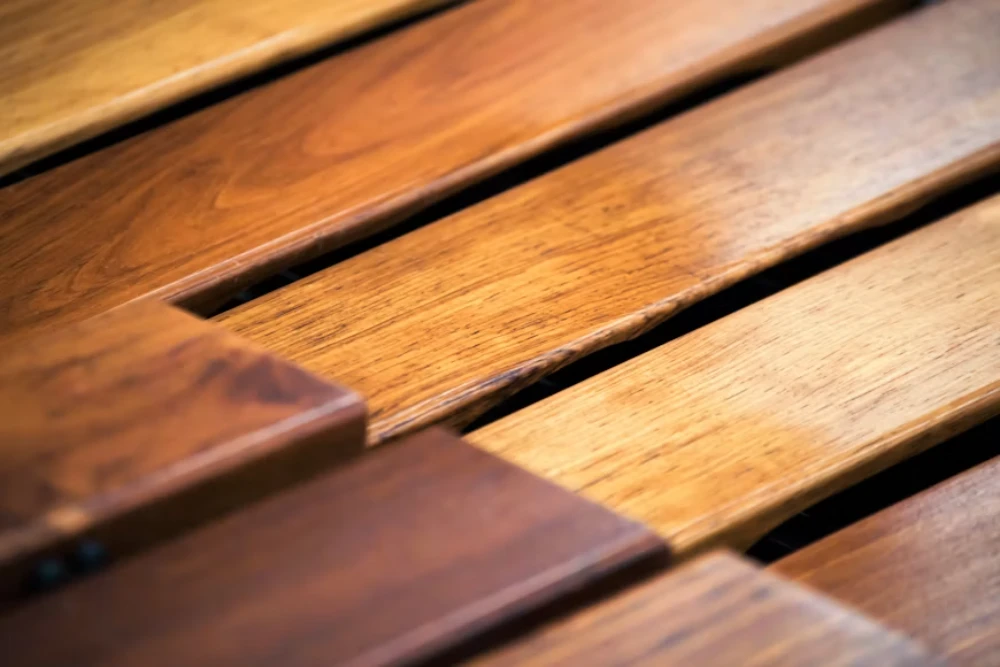
- Ipe (Brazilian walnut): A deep brown, ultra-dense wood with fine grain and high natural oil content. It lasts 50+ years and is virtually impervious to rot, splintering, and insects. Budget $15 to $25+ per square foot, plus higher labor costs due to its density.
- Cumaru (Brazilian teak): Nearly as hard as Ipe with a vibrant reddish-brown grain. It lasts 25 to 50 years, though harsh sun can cause minor surface checking (fine cracks). Cost runs $8 to $14 per square foot.
- Garapa (Brazilian ash): A softer, golden-honey hardwood that still outperforms traditional decking. It lasts 25+ years and runs $6 to $10 per square foot, the budget entry into tropical hardwoods.
All three fade to a silvery-gray patina under UV exposure. To keep the rich original color, apply a UV-inhibiting penetrating hardwood oil once a year or every two years.
Cypress and Redwood
Cypress and redwood are chemical-free softwoods prized for natural beauty and moisture resistance.
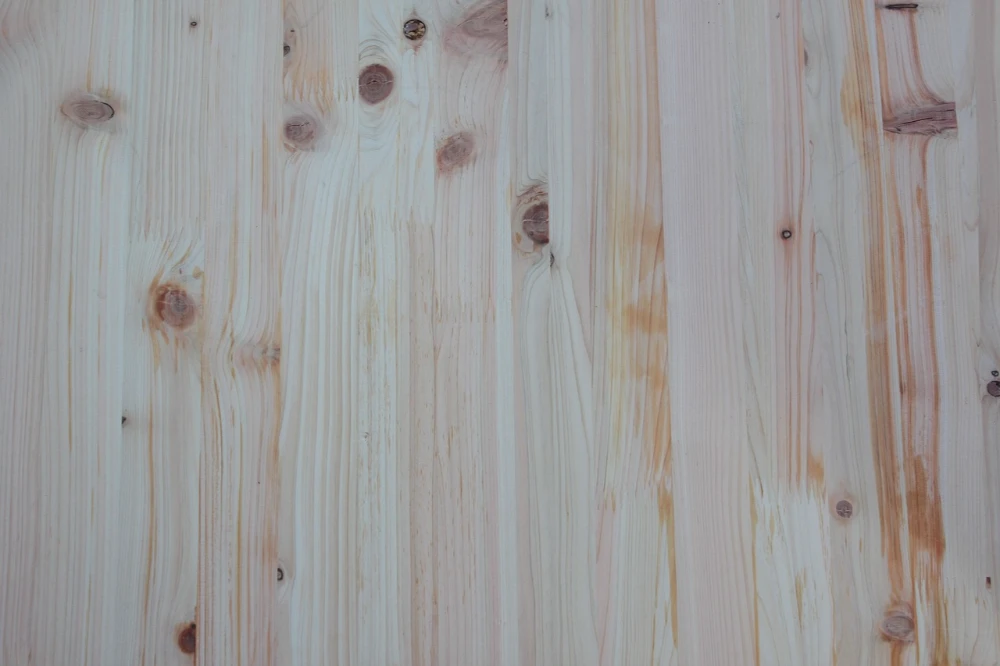
Cypress grows in Southeastern U.S. swamps and produces cypressene, a natural preservative oil that protects the heartwood (the dense inner wood) through constant humidity and wet-dry cycles.
Redwood, a West Coast timber rich in tannins and oils, repels rot, decay, and insects without artificial treatment.
- Durability: Both species last 15 to 25+ years, and old-growth cypress heartwood can endure decades longer. Neither suits underwater structural pilings, use treated timber or heavy-duty hardwoods for the foundation below the waterline.
- Maintenance: Moderate for both. Left unfinished, they weather to a soft silver-gray; clean periodically and apply a clear sealer or stain every two to three years to hold the original color.
- Cost: Cypress is the budget-friendlier choice at roughly $4 to $8 per square foot, especially in the American South. Redwood runs $15 to $40+ per square foot due to demand and transport constraints.
How Triton Dock & Pier Selects the Best Wood for Your Dock
We don’t believe there’s a single best wood for docks, there’s the right wood for your property, and finding it takes a real assessment. Every Triton Dock & Pier project starts with an on-site review of your waterfront, your water conditions, and how you plan to use the dock.
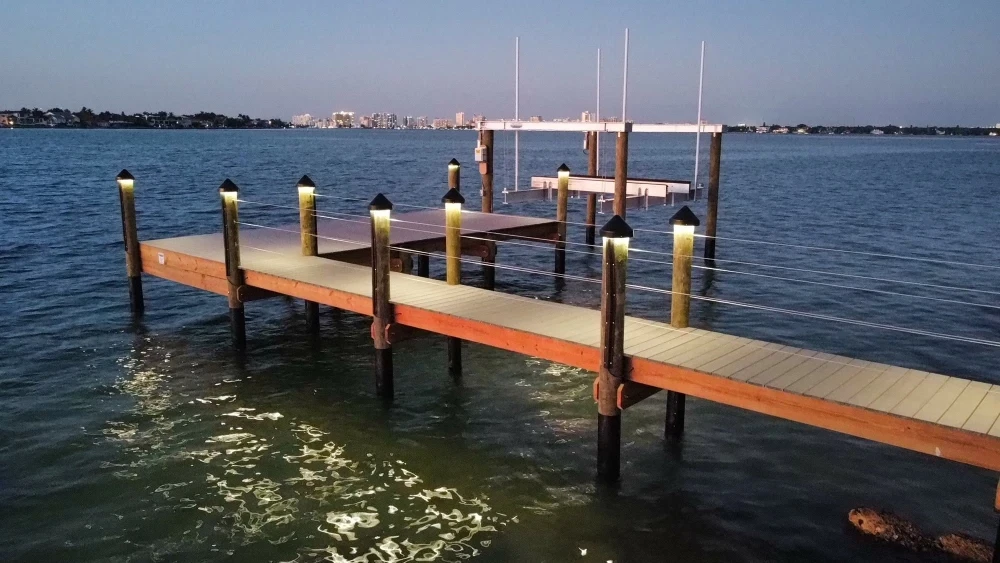
Open-water exposure, boat traffic, tidal range, and storm surge potential all shape what we recommend. We never push one material. Instead, we present your options with honest explanations of cost, durability, maintenance, and expected lifespan, so the final decision stays in your hands.
Our recommendations draw on more than 50 years of combined marine construction experience in Southwest Florida, serving waterfronts from Boca Grande to Anna Maria. We build with the same materials and standards we’d use on our own waterfront properties, and we’ll tell you straight when a pricier wood isn’t worth it for your situation.
Investing in the Right Wood for Your Dock
Choosing the best wood for docks comes down to your budget, maintenance commitment, and how you use your waterfront. No single species fits every property, but matching the material to your conditions separates a dock built to last from one that needs repairs in five years.
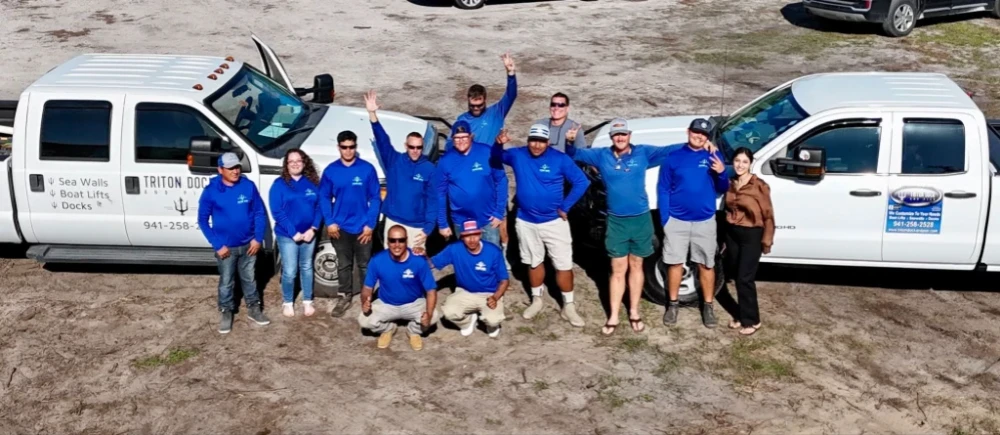
At Triton Dock & Pier, we guide you through each material decision with honest, straightforward advice. Ready to build a dock that endures? Call us at 941-258-2528 or request a free estimate online.
FAQs
Here are quick answers to common questions about choosing the best wood for docks.
Q: Can I build a dock with untreated lumber?
A: Not for anything exposed to water or ground moisture. Docks need pressure-treated wood or naturally rot-resistant species, or the framing will decay within a few seasons.
Q: How long does a wood dock last overall?
A: A well-built wood dock typically serves 15 to 25 years, and longer with premium hardwoods and consistent care. The frame, fasteners, and water conditions matter as much as the decking itself.
Q: How can I tell when my dock wood needs resealing?
A: Splash water on the boards, if it soaks in instead of beading up, it’s time to reseal. Most docks need a fresh coat every one to three years depending on sun exposure.
Q: Does wood decking hold up through hurricanes?
A: Wood can be surprisingly storm-resistant when the dock’s engineering is sound, our docks have survived back-to-back major hurricanes. The structure, pilings, and anchoring usually matter more than the decking species.
Q: Should I re-deck my dock or replace the whole thing?
A: If the pilings and frame are solid, re-decking with durable, marine-grade lumber extends the dock’s life for a fraction of the cost. When the structure below is failing, full replacement is the smarter investment.